The Root of the Belief
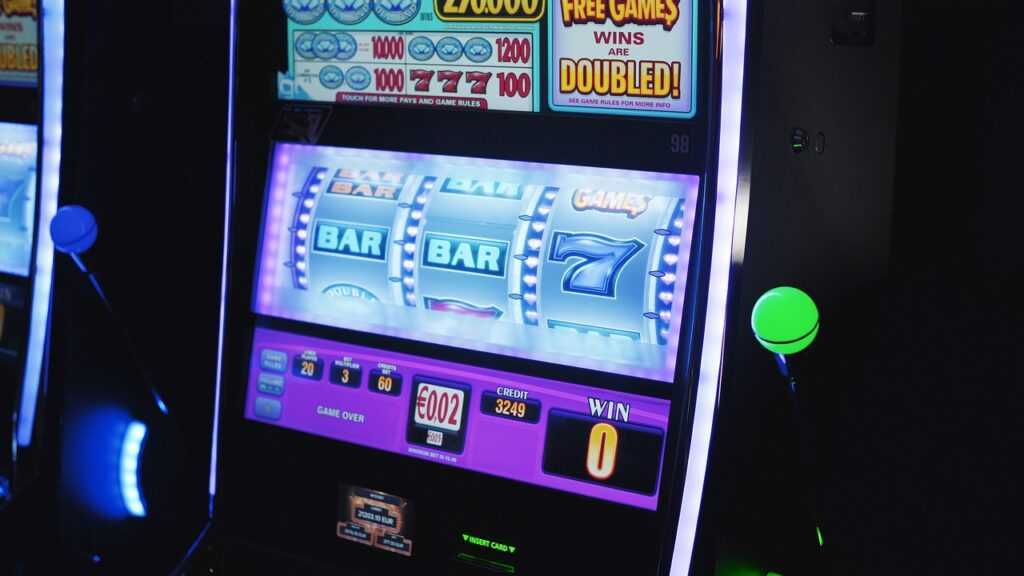
A lot of gamblers will tell you slots feel rigged. And when you’re 50 spins deep with nothing to show for it, it’s easy to see why that feeling sticks. But this perception has more to do with psychology than programming.
Slot machines are designed to create suspense. Near misses like when two jackpot symbols line up and the third just creeps past aren’t accidents. They’re part of the game design. Studies show near misses trigger the same kind of brain activity as actual wins. That keeps players hooked, making losses feel like you’re almost winning, which is more compelling than just flat out losing.
Then there’s the idea of “cold streaks.” The human brain looks for patterns, even when none exist. Slots run on randomness. But when a machine hasn’t paid out in hours, players assume a win must be “due.” That’s gambler logic, not math.
Layer in casino ambiance flashing lights, constant motion, noise and you’ve got an environment designed to give the illusion of control or influence. It feels like you can beat the system if you just stay sharp. But you’re not in control of a thing. The machine is pulling its numbers from a random number generator you can’t see and can’t predict.
Believing slots are rigged gives players a target for their frustration. But the reality is colder: the system’s just designed to keep you spinning.
How Slot Machines Are Actually Programmed
Let’s strip it down. The heart of every modern slot machine is an RNG short for Random Number Generator. This software runs 24/7, spitting out numbers every millisecond. When you hit spin, the game grabs the current number and matches it to a preset outcome. That result? Completely random. It’s not influenced by the time of day, your betting history, or whether the machine feels “hot”.
Now, onto RTP Return to Player. This is the percentage of all money wagered on a slot that it’s programmed to pay back over time. For example, a 96% RTP means that for every $100 bet, the game pays back $96 across many spins. It’s not a guarantee for you personally more like a long term average across thousands of plays. Volatility works hand in hand here. High volatility means fewer but bigger wins. Low volatility gives you smaller wins, more often. Neither is better it just depends on how much risk you like.
One thing to be clear on: no casino employee, technician, or pit boss can rig your next spin. Staff can’t adjust outcomes on the fly. The machine can’t “know” if you’re due. That’s not how the system works, and most importantly, it’s backed by strict regulations. Trust the math not the myths.
Licensing and Gaming Regulations
When it comes to slot machines, oversight isn’t a free for all. Every legal gaming jurisdiction whether it’s Nevada, the UK, or a digital space like Malta’s licensing authority has a regulatory body setting the rules. These organizations are in charge of approving machine software, ensuring fairness, and auditing compliance. Think of them as the referees who make sure every spin happens by the book.
To get a game to the casino floor, developers must submit it to third party laboratories. These labs names like GLI (Gaming Labs International) or eCOGRA test the Random Number Generators (RNGs) that determine outcomes. The goal is simple: prove that the results are truly randomized and can’t be predicted. Every version is locked, verified, and tracked with digital fingerprints.
And tampering? That’s not just unethical it’s illegal. Casino machines are loaded with software protections and security logs. Any unauthorized change triggers alerts and invites heavy consequences, including fines or license suspension. Jurisdictions treat payout tampering like a serious crime, because it is. So if you’re assuming backroom switches are flipping odds, it’s time to retire that theory.
Casino Control vs. Game Design

Casinos do have power but it’s not the kind most players imagine. They can choose which games go on the floor, where they’re placed, and which versions of a game get the spotlight. That means they can prefer machines with slightly lower payout percentages (still within legal ranges), or position higher performing games in heavy traffic areas. Layout and game selection are subtle tools used to nudge, not to rig.
Payout percentages, aka the game’s programmed return to player (RTP), are set at the factory, within the bounds allowed by local regulations. A casino selects from available options, but they can’t tweak or change them on the fly. The same goes for slot machine behavior no one in the back room is “tightening” reels or punishing a winning streak. Specific outcomes are driven by certified Random Number Generators (RNGs), not casino staff.
So yes, the house sets the table. But once you spin, the game plays itself.
Common Myths Debunked
Slot machines have always been a magnet for superstitions. While it’s tempting to believe certain tricks or timing can beat the odds, most of these ideas simply don’t hold up. Let’s look at some of the most popular myths and the real facts behind them.
Myth 1: “Slots are tighter at night”
This common belief suggests that casinos intentionally lower payouts during high traffic hours to increase profits. Here’s the truth:
Slot machines operate on RNGs (Random Number Generators) which run 24/7, regardless of the time or foot traffic.
Payout percentages are programmed into the machine’s software and can’t be adjusted quickly or arbitrarily.
Regulators strictly oversee these settings to maintain fairness.
Reality: Your chances of winning remain the same whether it’s 2 p.m. or 2 a.m.
Myth 2: “Hot machines get turned off”
Some players think that once a machine hits a big win or gets “hot,” casinos shut it down to stop further payouts. Not true.
There’s no built in memory in slot machines tracking past wins.
A machine that just paid out can theoretically hit another jackpot the next spin or not for hundreds more.
Casinos don’t monitor individual machines that closely or interact with them in real time for this purpose.
Reality: Machines don’t have memory, and casinos don’t have remote control over when a machine stops winning.
Myth 3: “Higher bets improve your odds”
Betting more might increase potential winnings, but it doesn’t improve your odds of hitting a win.
The RNG does not consider your bet size when choosing outcomes.
Some games may unlock certain features or jackpots at higher bets, but that’s built into the game’s design.
Risk more only if it fits within your budget not because you think it changes luck.
Reality: Bigger bets may offer bigger payouts, but they don’t tilt the odds in your favor.
Know the Facts
Still have questions? Check out this in depth article that breaks down even more myths and misconceptions: slot truths explained.
Maximizing Your Slot Experience
Let’s keep it straight: if you’re playing slots, don’t just hit spin and pray. Picking the right game matters, especially if you want your money to last. Start with two key terms RTP (Return to Player) and volatility.
RTP is the long term average payout. A game with 96% RTP means, over time, it pays back $96 for every $100 wagered. The higher the RTP, the better though that doesn’t mean you’ll see that return every session. Volatility is about how the game handles wins. High volatility slots pay big but rarely. Low volatility games deliver smaller, more frequent wins. Your pick should match your risk tolerance and patience level.
Next, lockdown your bankroll. No one enjoys blowing through a session in 10 minutes. Set a limit before you start, divide it into smaller chunks, and resist the temptation to chase losses. Bet small if you want more spins. Increase only if you’re playing with winnings.
Lastly, know why you’re there. Slots are entertainment, not income. If you hit something big, good on you. But if the wheels aren’t spinning in your favor, walk away. Slot machines aren’t personal. They’re random. Play for fun, not fantasy payouts.
Final Word: Play Smart, Not Superstitious
At the end of the day, slot machines aren’t puzzles to crack they’re programs running on math. Chasing patterns or looking for signs wastes time and bankroll. If there’s any edge to be had, it comes from understanding how games are built, not searching for loopholes that don’t exist.
Learn what RTP and volatility really mean. Stick to machines that fit your play style, not myths someone repeated at the bar. Strategy isn’t about beating the house it’s about making informed choices, playing with discipline, and knowing when to walk. That’s where smart players win: not in jackpots, but in control.
For more insights and broken down myths, head over to slot truths explained.