The Popular Belief: Night Owls Get the Wins
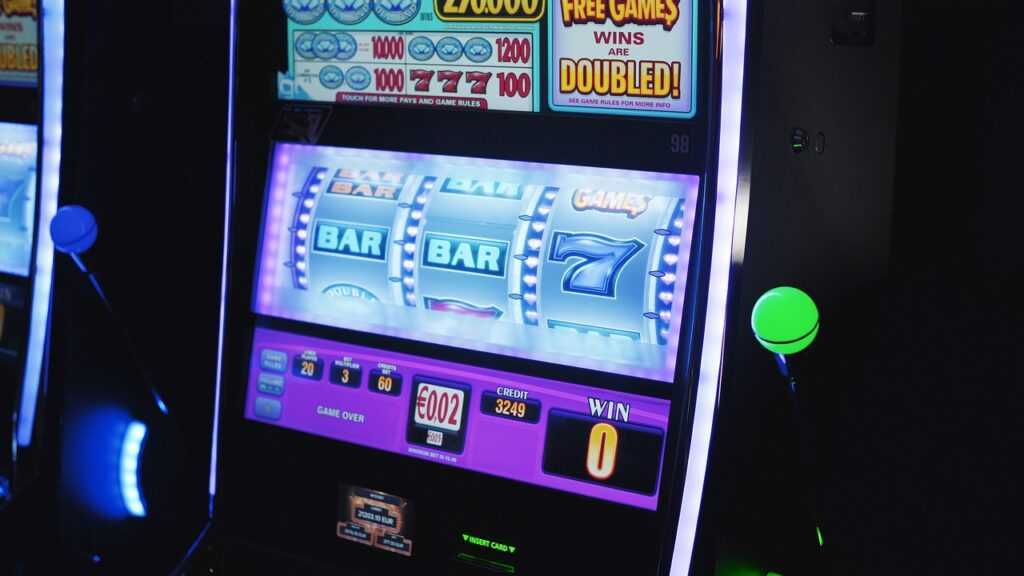
Ask a regular at the slots, and you’ll hear it: machines are looser at night. The floor gets louder, the lights feel brighter, and someone is always cheering over a bonus round. But is nighttime really some secret jackpot window? Probably not.
What’s happening here is more about perception than pattern. Casinos get busier after dark, so naturally, you see more people hitting wins simply because more people are playing. That fuels a sense of momentum a kind of confirmation bias that makes it feel like the payout floodgates open after sundown.
Then there’s the atmosphere. The drinks are flowing. The music’s up. The lighting is just dim enough to blur time. Strip away the clock, and night blends into a longer play session. And the longer you’re spinning, the more likely you are to land something. It’s persistence, not a payout curve.
This belief survives because it’s easy to connect a win to a time stamp less easy to connect it to the randomness that actually drives the machines. In reality, it’s still chance doing the heavy lifting. But under neon light and midnight adrenaline, that spinner just feels luckier.
What Really Controls Slot Machine Payouts
At the heart of every slot machine is an RNG random number generator. It’s a piece of code that never takes a break. Day or night, holiday or Tuesday afternoon, it’s churning out numbers thousands of times a second. When you hit the spin button, the RNG locks in a number and shows you the result. That’s your outcome. Pure math. No memory. No mood.
There’s no such thing as a payout schedule or cycle in a legal, regulated machine. The system isn’t waiting for a certain hour before it starts paying out more. That idea makes for fun bar talk, but it doesn’t hold up to how these machines are actually built.
State regulations back this up. In the U.S. and many other countries, gaming commissions enforce strict standards to make sure every spin of a licensed machine is fair. That means same odds on Tuesday morning at 10 a.m. as Saturday night at 2.
Put simply: lightning can strike any time, or not at all. It’s not about catching a lucky hour it’s about understanding the game you’re playing and the odds that come with it.
Factors That Might Influence Your Perception

It’s easy to think slot machines pay better at night but what you’re seeing might just be noise shaped by a clever environment. For starters, casino floors are typically busier in the evening and into the night. That means more people hitting buttons, more machines in motion, and yes, more wins happening somewhere at any given moment. When someone nearby hits a bonus or a jackpot, it registers. You see it or hear it, and your brain starts building a narrative: nights = wins.
The odds don’t actually change, but your experience does. Play sessions tend to be longer after dark people are off work, unwinding, less likely to be checking the time. The longer you’re spinning, the more chances you have to land a win. It’s math, not magic.
Casinos know this world well, and they lean into it. Lighting gets warmer. Music softens or speeds up, depending on crowd flow. The air might even have subtle scent cues. All of it optimized to keep you feeling just stimulated enough relaxed, alert, and a little less aware of how long you’ve been parked in front of your favorite machine. It’s not conspiracy it’s design.
What the Data Says
When it comes to whether slot machines pay more at night, the numbers tell a clear story and it’s not what many players expect. While the myth of late night winnings lives on, data from industry studies and regulators paint a more grounded picture.
What Studies Reveal
Numerous investigations into slot machine behavior across casinos have aimed to uncover patterns in payouts, including variations by time of day. The results are consistent:
Payout percentages remain steady over a 24 hour cycle
No reliable increase in wins tied to nighttime hours
Minor fluctuations are statistically insignificant and likely due to natural variance, not timing
The Real Driver: Casino Profitability
Slot machines operate based on set algorithms and long term return to player (RTP) rates, not the clock. These games are built to generate predictable profits for the house, and they do so without needing to “loosen up” after dark.
Key facts:
Machines use random number generators (RNGs) to ensure fairness
Designed RTPs are typically fixed and regulated by state gaming commissions
Casino objectives prioritize consistent profit, not timed payouts
Bottom Line
There’s no magic hour for beating the slots. If you’re waiting for a lucky break just because it’s late, the odds are mathematically no better than they were at noon. Instead of chasing luck by the clock, a sound strategy and awareness of how machines work will always go further.
When Strategy Actually Matters
Chasing wins based on the clock won’t get you far. What will? Treating your time and money like limited resources which they are. Bankroll management isn’t complicated, but it is crucial: decide ahead what you’re willing to lose, and stick to it. Letting emotion into the equation is where most players crash.
Machine selection matters, too. Not all slots are created equal. Learn the volatility, payout percentages, and bonus mechanics before spinning. Don’t just sit at the one with the loudest theme song or fanciest lights. That adrenaline hit fades fast if the return is garbage.
Then there’s timing but not in the way people think. Avoiding peak hours isn’t about better odds. The games run the same at noon or midnight. What changes is the noise. Fewer distractions means better focus, fewer impulse decisions, and a less crowded floor when you want to change machines.
Most important: stop believing in myths. Slots aren’t due, and they don’t have moods. Knowing how they’re built is smarter than waiting for imaginary hot streaks. For a deeper look into reality vs. rumor, check out this guide on slot timing truths.
Final Thought: It’s Not About the Clock
Many gamblers still hold onto the idea that late nights bring better luck at the slots. But in reality, the numbers tell a different story.
The Myth Persists
The belief that slots are ‘looser’ after dark is widespread
This myth is often fueled by anecdotal wins and the buzz of late night casino energy
However, these impressions often ignore the consistent randomness built into every machine
The Math Holds Firm
Slot machines use random number generators (RNGs) that operate 24/7 with no regard for time of day. That means:
Every spin is independent of the last
Chances don’t increase after sunset or during busy hours
There’s no internal clock secretly boosting payouts at night
If You Want Better Odds…
Rather than timing your play, focus on what you can control:
Study machine volatility: Understand which types pay larger, rarer wins versus smaller, frequent ones
Manage your bankroll: Set limits and avoid chasing losses
Play with intention: Know the rules and features of the machine you’re using
Dig Into the Full Story
The truth behind slot timing myths is deeper than it seems. To uncover what really affects your chances, read the full breakdown here:
Uncover the full story on slot timing reality