Photography is often about getting the perfect shot, the one where everything lines up just right. But what if I told you there’s a whole other world out there? A world that thrives on the imperfect, the mysterious, and the deeply emotional.
gremlynne artistic photography isn’t just another style; it’s a movement. It’s about capturing the mood, the story, and the raw emotion behind the lens, not just the technical perfection.
This article is here to deconstruct this captivating style. We’ll dive into why it’s so powerful and how you can start incorporating its elements into your own work.
I’ve spent years studying and appreciating alternative and narrative-driven photographic styles. Trust me, by the end of this, you’ll see photography in a whole new light. You’ll have a fresh perspective, one that might just change the way you create and view photographic art.
The Core Elements: What Defines the Gremlynne Aesthetic?
When you think of the Gremlynne aesthetic, a few key elements come to mind. Let’s break it down.
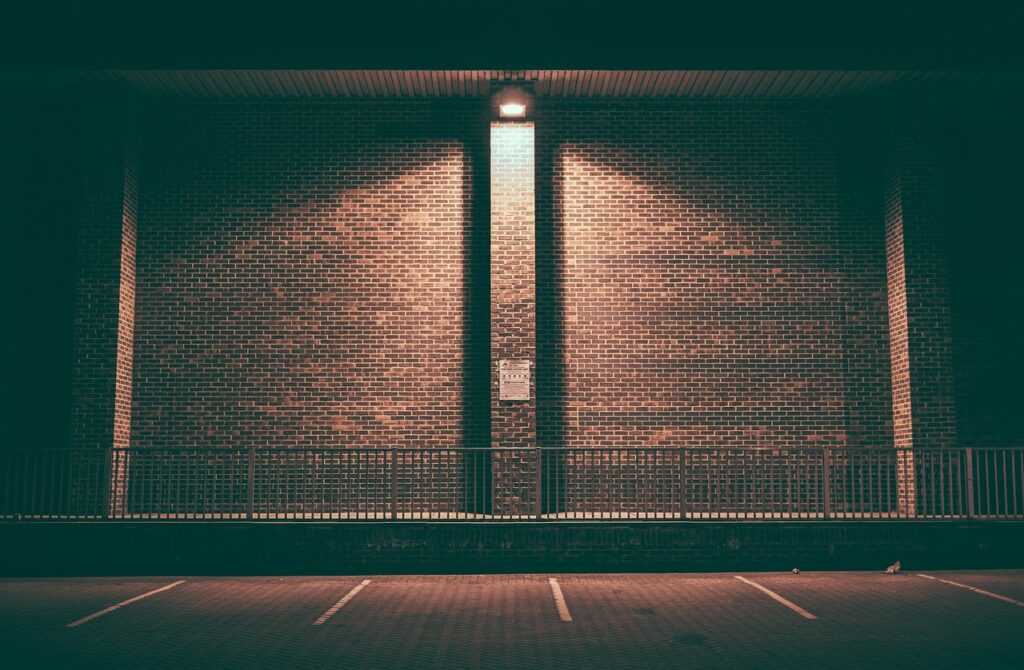
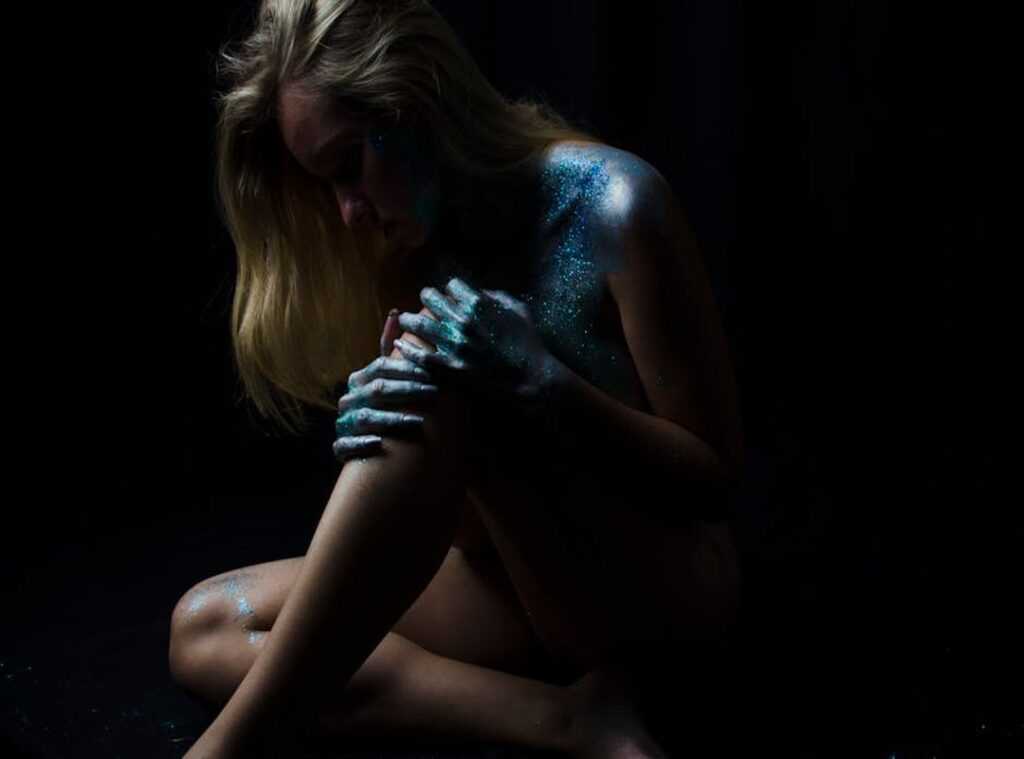
First, the lighting. It’s all about low-key lighting and deep shadows. Natural, often imperfect light sources like window light or street lamps create a sense of mystery.
One photographer told me, “It’s not just about seeing; it’s about feeling the atmosphere.”
The composition is another standout, and unconventional framing and negative space are key. Capturing subjects in candid, thoughtful moments rather than posed perfection adds a layer of authenticity.
As one artist put it, “It’s the imperfections that make it real.”
Then there’s the color palette. Muted, desaturated tones or a cinematic color grade that evokes nostalgia and a dreamlike quality. This isn’t just about making pretty pictures.
It’s about creating a mood that draws you in.
And let’s not forget the narrative. Each photo feels like a single frame from a larger, untold story. It invites the viewer to imagine the context.
One viewer said, “Every time I look at a gremlynne nude, I feel like I’m part of something bigger, something I can’t quite grasp but want to know more about.”
So, what defines the Gremlynne aesthetic? It’s the interplay of light, the unconventional composition, the muted colors, and the storytelling. Together, they create a visual signature that’s both unique and captivating.
The Feeling Behind the Frame: Why This Style Captivates Us
You ever look at a photo and just feel something? Like, it’s not just an image; it’s an experience. That’s what gremlynne artistic photography does.
It hits you in the gut.
The ambiguity and mystery in these photos are what make them so engaging. They’re not just straightforward portraits. They leave room for your imagination to fill in the blanks.
I remember talking to a friend who said, “It’s like each photo is a story waiting to be told.” Exactly. The gremlynne style taps into that sense of wonder and curiosity.
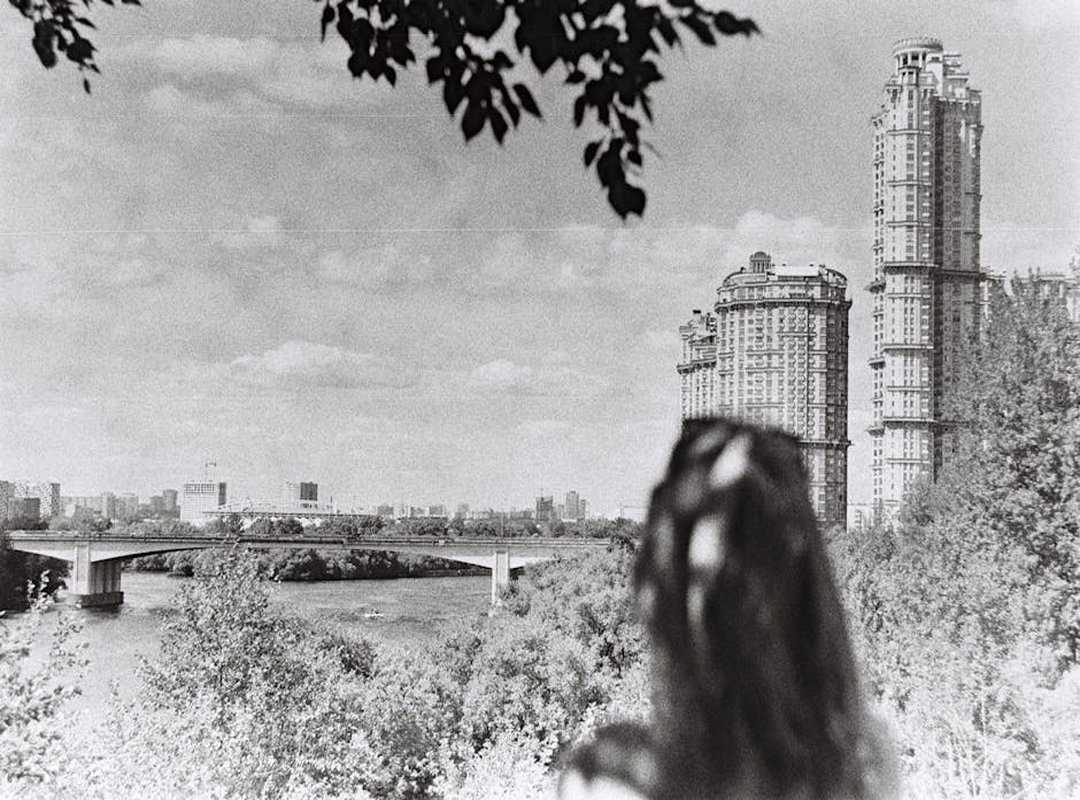
These photos often capture what we call ‘liminal spaces’—moments that feel transitional, eerie, or surreal. You know, those in-between places that make you pause and think. It’s like standing on the edge of a dream.
There’s a beauty in imperfection here. Solitude, introspection, and the quiet moments of life. These emotions are universal.
We all feel them, and gremlynne captures them in a way that feels both personal and shared.
One of my favorite quotes about this style came from a critic who said, “It’s as if the photographer has found a way to make the unseen, seen.” That’s it. The unseen emotions, the unspoken thoughts, they all come to life in these frames.
If you think about it, the gremlynne style isn’t too far off from other art forms. Take film noir, for example, and the dark, moody, and mysterious atmosphere.
Or magical realism in literature, where the ordinary becomes extraordinary. It’s all about creating a world that feels both familiar and strange.
So, why do we love it? Because it speaks to something deep inside us. It makes us feel.
And in a world where everything is so loud and in your face, sometimes a little mystery and quiet can be exactly what we need.
win big with easy to understand slot games your guide to simplicity and payouts
A Practical Guide: How You Can Create Your Own Gremlynne-Inspired Photos
You might be wondering, why bother with this style? Well, it’s all about creating something unique and moody. It sets your work apart and adds a layer of depth that can really captivate an audience.
Gear and Settings
First off, let me clear one thing up. You don’t need fancy, expensive gear, and any camera will do.
The key is in the settings. Use a wide aperture like f/1.8 to f/2.8. This gives you that shallow depth of field, making your subject pop.
A slightly slower shutter speed helps too. It lets in more ambient light, giving your photos a natural, dreamy feel.
Lighting Techniques
Lighting makes or breaks the mood. Try shooting during the ‘blue hour’—that magical time just after sunset when the sky has a soft, blue hue. It’s perfect for that gremlynne nude, ethereal vibe.
If you’re working indoors, use a single, off-camera light source. Position it to sculpt shadows and create a dramatic, almost otherworldly atmosphere.
Directing Subjects
Now, let’s talk about your subjects, and forget those cheesy, forced smiles. Instead, guide them into natural, pensive poses.
Capture those ‘in-between’ moments. When they’re lost in thought, or looking away, that’s when you get the real magic.
Post-Processing Workflow
Post-processing is where you bring it all together. Start by reducing saturation in Lightroom or Capture One. Add a custom color grade, like a touch of teal to the shadows.
This enhances the mood and gives it that distinct, gremlynne nude look.
Finally, add a subtle grain effect. It adds texture and a bit of nostalgia, making the photo feel more authentic and timeless.
By following these tips, you’ll not only create stunning, gremlynne-inspired photos but also develop a unique style that stands out.
Embrace the Imperfect: Your Next Step into Artistic Expression
gremlynne nude artistic photography is about capturing a feeling, not just a moment.
You now understand the key elements of lighting, composition, and narrative that define this unique style.
By using the practical techniques provided, you can begin to create your own evocative and story-driven images.
Pick up your camera this week, and find a quiet moment with interesting light. Try to capture a story instead of just a photo.