Tattoos aren’t just ink on skin. They’re personal declarations, a way to tell your story without saying a word. The word “blessed” carries a lot of weight.
It’s about gratitude, faith, or just plain good fortune.
When you put that word on your neck, it’s a bold move. It’s out there for everyone to see, and you can’t hide it.
And that makes it even more powerful.
I’m going to give you the full scoop. From design ideas that pack a punch to the nitty-gritty of getting a tatuaje pe gat blessed. This isn’t just about looking cool.
It’s about making a statement and feeling good about it.
By the end, you’ll have all the info you need to make a choice you won’t regret. Let’s dive in.
Unpacking the Symbolism: What ‘Blessed’ Truly Represents
When you see the word blessed inked on someone, it’s more than just a tattoo. It’s a statement.
Blessed in the spiritual sense is like having a direct hotline to the divine. It’s a daily reminder of your faith and the feeling that God’s got your back.
But let’s be real, not everyone who gets a tatuaje pe gat blessed is religious. For some, it’s a way to express immense gratitude for life, family, health, or overcoming a significant hardship.
It’s like a personal mantra, a constant nudge to focus on the good stuff. You know, those little moments that make life worth living.
Sometimes, it can also be a memorial piece. A way to say, “I’m blessed to have known this person who’s now gone.” It’s a touching tribute, really.
Now, compare blessed to other common word tattoos. Words like warrior or survivor are all about internal strength. Blessed is different.
It’s about recognizing the external grace and good fortune in your life.
So, whether you’re spiritually inclined or just grateful for what you’ve got, blessed is a powerful symbol. It’s a reminder to count your blessings and keep a positive mindset.
Inspiring Designs: 5 Ways to Style Your ‘Blessed’ Neck Tattoo
Design 1: Classic Cursive Script. Elegant, flowing script along the side of the neck or just under the ear is a timeless and popular choice. Different cursive styles can add a personal touch.
Design 2: Bold Gothic or Old English Font. This style creates a more impactful, traditional, and strong look. It’s often placed prominently on the throat or back of the neck.
Design 3: ‘Blessed’ with Symbolic Imagery. Incorporating meaningful symbols like a small cross, praying hands, a dove, a rosary, or a single rose can add layers of personal meaning. These elements make the tattoo uniquely yours.
Design 4: Minimalist Fine-Line. A subtle, single-needle approach for a more delicate and understated tattoo. Perfect for a first neck piece or a less conspicuous look.
Design 5: Custom Lettering or Ambigram. Work with an artist to create completely unique lettering or an ambigram (reads the same upside down). Choose a font style that visually reflects the personal meaning you attach to the word.
I have to admit, tatuaje pe gat blessed might not be everyone’s cup of tea. But if it resonates with you, go for it. Just make sure you find a skilled artist who can bring your vision to life.
Location is Everything: Choosing the Perfect Spot on Your Neck
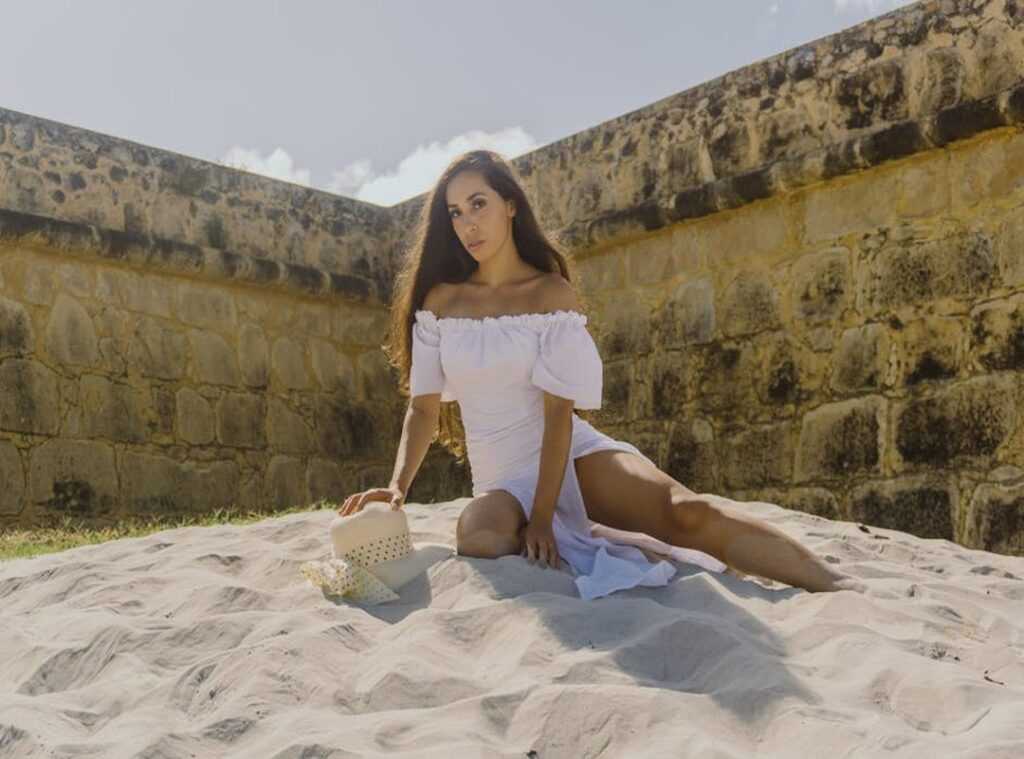
When it comes to neck tattoos, the placement can make or break the design. Let’s break down the most common spots: the side of the neck (along the sternocleidomastoid muscle), the back of the neck (nape), and under the chin/on the throat.
The side of the neck is a popular choice. It’s visible but not as in-your-face as other placements. A horizontal script works well here, flowing with the natural lines of the muscle.
The nape, on the other hand, is a bit more discreet. It’s less visible unless your hair is up. Vertical designs fit perfectly here, following the curve of the spine.
Under the chin or on the throat, and that’s a bold move. This area is highly visible and can be a statement piece.
But it’s also one of the most challenging to cover up. Think long and hard about the social and professional implications.
Pain levels vary too. The throat and areas over the spine are generally more sensitive than the fleshy sides. If you’re not a fan of pain, you might want to stick to the sides.
Here’s a practical tip: use a temporary tattoo marker to draw the design in the desired spot. Wear it for a day to confirm you’re comfortable with its visibility and position. Trust me, it’s better to test it out than to regret it later.
Choosing the right placement is key. You want the tatuaje pe gat blessed to look good and feel right. And if you’re into other forms of self-expression, check out Slotprimesaga for some unique insights.
The Practical Guide: Pain, Healing, and Aftercare
Let’s talk about the pain. The neck is a sensitive area, with thin skin and close proximity to bone. On a 1-10 scale, the side of the neck might be around a 6/10, while the throat can hit an 8/10.
Aftercare is crucial, and avoid friction from shirt collars. Keep the area clean, especially after sweating.
And don’t forget diligent sun protection.
The healing timeline can be a bit tricky. The constant movement of the neck can make the initial phase more challenging or prone to irritation.
Choosing a highly experienced tattoo artist is non-negotiable. This is a technically difficult area, and you need someone who knows what they’re doing.
Pro tip: tatuaje pe gat blessed means “blessed tattoo” in Romanian, and it’s a reminder that even with the pain, the end result can be worth it.
Wearing Your Gratitude with Confidence
A tatuaje pe gat blessed is a beautiful and bold statement of faith, gratitude, or a personal journey. It’s essential to carefully consider the deep meaning, the perfect design, and the practical realities of placement and aftercare for a successful tattoo. With proper research and a skilled artist, your tattoo will be a meaningful piece of art you can wear with pride for a lifetime.
Use these ideas to start a conversation with a professional tattoo artist and bring your vision to life.